How to fund your Ganga Nine Zero booking with a home loan — eligibility, how much you can borrow, the paperwork, and how disbursal lines up with a construction-linked launch.
Banks typically finance 75-80% of Ganga Nine Zero's ₹2.50 Crore* starting price, leaving buyers to fund the rest as down payment. Because RERA registration is still in progress, most lenders will sanction only after registration is in place, so early bookings are usually self-funded until then. Keep KYC, income proof and the allotment letter ready to move fast once formal approval opens up.
Once you've decided that Ganga Nine Zero is the right booking for you, the next practical question is how to fund it. Most buyers on this corridor finance the bulk of the purchase through a home loan rather than paying entirely from savings, and because Nine Zero is priced from ₹2.50 Crore* onwards, understanding eligibility, loan-to-value and paperwork in advance saves a lot of last-minute scramble at booking time. This guide walks through what to expect, and where an early-launch, pre-RERA project changes the usual playbook.
Want a personalised loan-eligibility estimate for Ganga Nine Zero?
Eligibility for a home loan against a Ganga Nine Zero unit follows the same broad criteria lenders apply to any residential purchase in Gurgaon: stable income, a healthy credit score and manageable existing liabilities. As a starting benchmark, lenders generally expect your total EMI obligations — including the new home loan — to stay within 40-50% of your monthly take-home income. A CIBIL score of 750 or above meaningfully improves both approval odds and the interest rate you're offered.
For a property priced at ₹2.50 Crore*, banks and housing finance companies will typically finance 75-80% of the value under standard Loan-to-Value (LTV) norms — working out to roughly ₹1.87-2 Crore, subject to your individual income assessment. The remaining 20-25%, plus stamp duty, registration and any charges outside the base price, needs to come from your own funds. See our price & payment plan guide for the full construction-linked instalment schedule and an illustrative EMI on the base price.
Editorial note: LTV limits are tiered by property value under RBI norms — properties above ₹75 lakh, which Nine Zero's units fall well into, are typically capped at 75% financing by public-sector lenders, though some private banks and HFCs extend slightly higher. Always confirm the exact LTV your chosen lender is offering before you plan your down payment.
This is the one place Ganga Nine Zero's early-launch stage genuinely changes the usual home-loan playbook. Most scheduled banks and HFCs require a project's RERA registration to be in place before they will formally sanction and disburse a loan against it — it's how lenders confirm the project's approvals, land title and construction-linked disbursal schedule are in order. Since Nine Zero's RERA registration is currently in progress, buyers booking now are largely paying the EOI and initial instalments from their own funds, with the home loan application following once registration comes through and construction reaches a lender-approved stage. This is a normal sequence for early launches on this corridor, not something specific to Nine Zero — but it's worth budgeting for upfront rather than assuming loan disbursal from day one.
Curious how the EOI and booking process actually works, step by step?
Keeping this paperwork ready in advance is the single biggest thing that speeds up sanction and disbursal once you're ready to apply.
For the full price breakdown and instalment-by-instalment schedule this loan will need to track, see our Ganga Nine Zero price & payment plan guide. For a wider look at whether Nine Zero is worth booking in the first place, read our independent review.
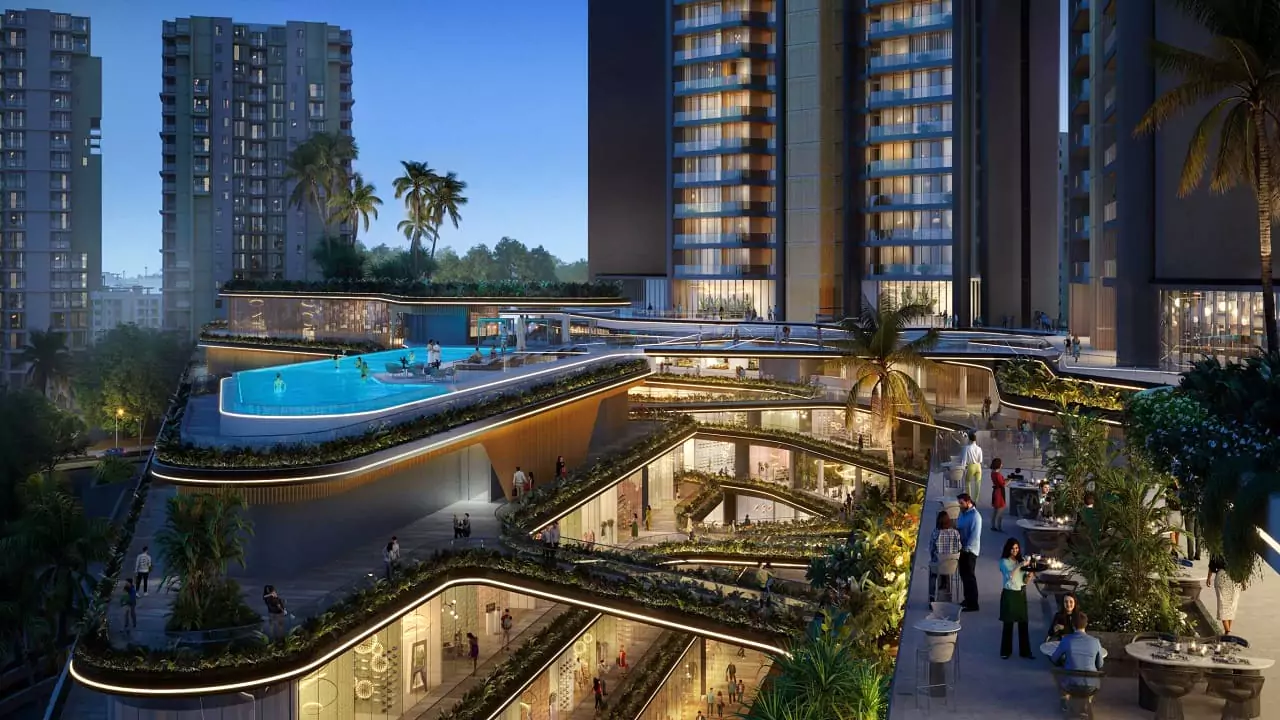
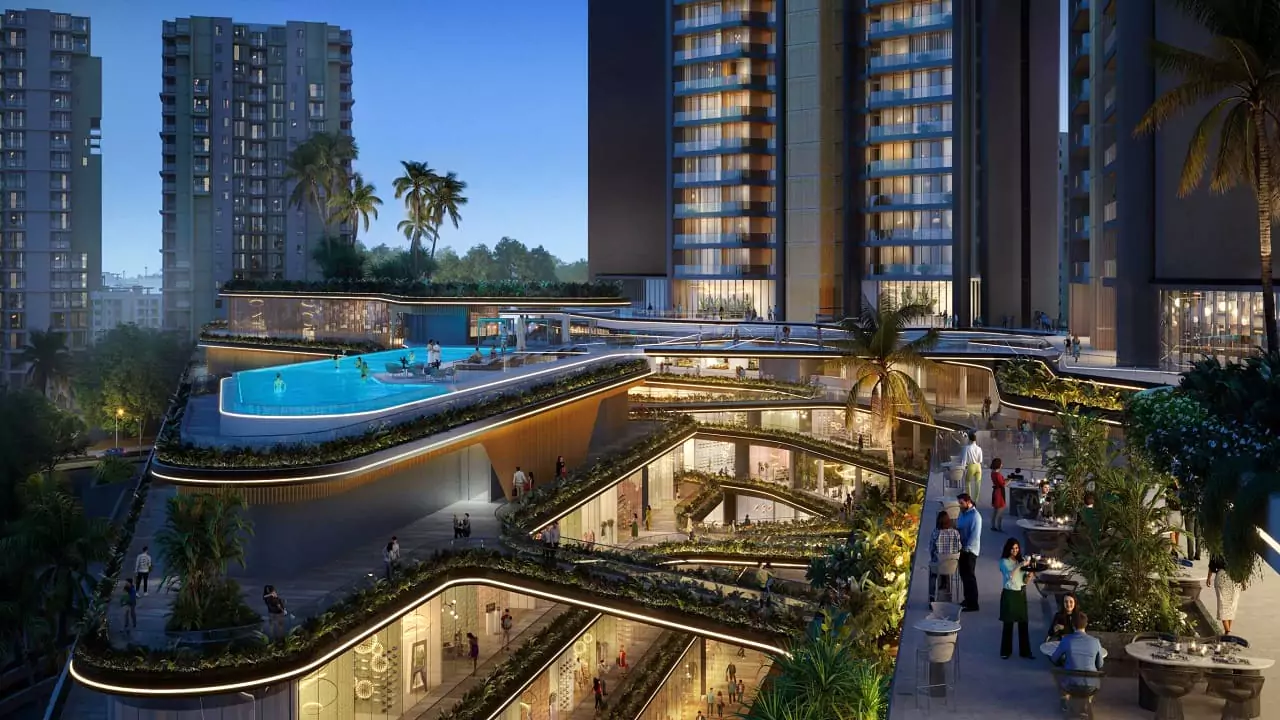
A closer look at the amenity deck, landscaped grounds and tower design at Ganga Nine Zero, Sector 90.
Talk to our team for current pricing, the payment plan and help lining up your home loan.
Starting cost, per sq.ft. rate, an EMI illustration and the full construction-linked installment schedule.
What the EOI amount is, how the booking process works, and what to keep ready before you register your interest.
An independent, no-fluff look at Ganga Nine Zero — what it actually offers, where it falls short, and who it's built for.
Sector 90, Gurgaon — Booking open now. Leave your details, we'll call you back.